
United Soccer Academy has more than three decades of experience organizing customized international soccer tours for youth clubs, high school programs, and college teams. While every program is different, the most successful tours combine quality soccer experiences with thoughtful cultural activities and well managed travel logistics.
This guide explains what players, coaches, and families should expect before traveling.
The Deep Roots of European Soccer Culture
Across much of Europe, soccer is not limited to stadiums or matchdays. It is part of the identity of each community, passed from one generation to the next. You see it in the scarves hanging in café windows, the murals honoring local clubs, the conversations about weekend results, and the children wearing the same crest their parents grew up supporting.
For a visiting team, that connection changes the entire experience. Players are not simply traveling overseas to play a few matches. They are training and competing in communities where the game carries history, pride, and responsibility. Even at the youth level, matches can have a different intensity because players understand what it means to represent their club and community.
That is one of the most valuable parts of a European tour. Young players experience soccer beyond their normal environment and return with a broader understanding of the game, its culture, and what it means to compete within it.

Technical Play vs. Physical Play
One of the most valuable parts of competing in Europe is adjusting to unfamiliar styles of play. The approach can vary by country, club, and opponent, exposing players to different formations, match rhythms, levels of physicality, and tactical expectations.
Players must quickly recognize what the game requires, communicate effectively, and solve problems outside their normal environment. That ability to adapt is one of the most important developmental benefits of an international tour.
Training With Elite Academy Coaches
Depending on the destination and program, tours can include training sessions led by professional academy coaches.
Visiting the Cathedrals of the Game
Historic stadiums provide players with a closer connection to the clubs, players, and moments they have grown up watching. Depending on the destination, a tour may include visits to iconic venues such as Santiago Bernabéu, Camp Nou, or Anfield. Walking through the tunnel, sitting beside the field, and exploring the club’s history allows players to see the professional game from an entirely different perspective.
Whenever schedules and availability allow, we also include a live professional match. The atmosphere, traditions, and connection between the supporters and their club are difficult to fully appreciate until experienced in person. For many young players, it becomes one of the most memorable moments of the tour.

Daily Life: Walking, Food, and Language
Life on tour will feel different from the daily routine at home. Teams should expect plenty of walking, later meal times, and menus shaped by the local culture. Comfortable walking shoes are just as important as soccer boots, and players should arrive willing to try the foods and traditions of each destination.
Language is also part of the experience. Outside the United Kingdom and Ireland, players may not always be able to communicate in English. Learning a few basic phrases shows respect and helps create a connection with the people they meet. And when words fall short, soccer often provides a common language.
Logistics and Jet Lag
International travel requires careful planning, particularly when a team is moving between multiple cities. Transportation, hotel arrangements, training schedules, meals, and daily activities must all work together. United Soccer Academy coordinates each part of the program so coaches, players, and families can focus on the tour rather than the logistics behind it.
The time difference is often most noticeable during the first 48 hours. Arrival days are intentionally kept lighter whenever possible, giving players time to adjust before the main training and match schedule begins. Staying active, getting outside, and following the local schedule can help the team settle into its new environment.
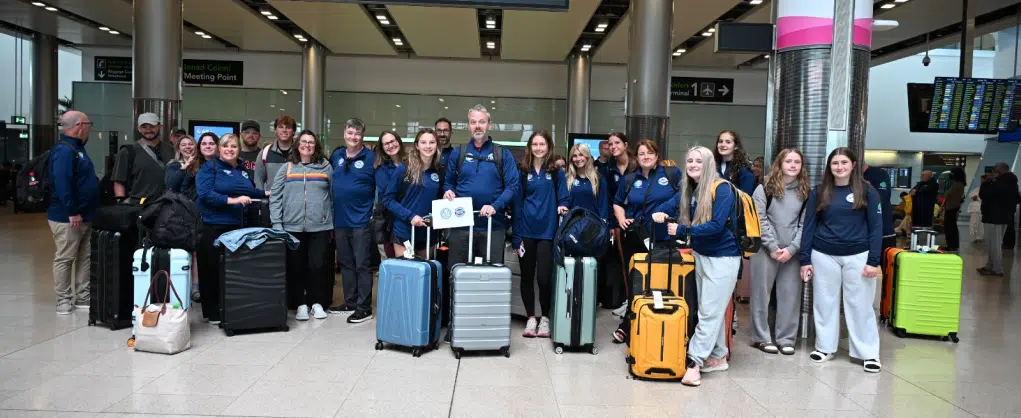
The Lasting Impact
Long after the final whistle, players remember more than the results. They return home with greater confidence, increased independence, and a broader understanding of both the game and the world around them.
Training and competing in an unfamiliar environment shows players what a higher standard demands: focus, adaptability, discipline, and responsibility. Many return to their clubs with renewed motivation and a clearer picture of where they want the game to take them.
Frequently Asked Questions
Is Europe better than the United States for soccer development?
Not necessarily better, but different. Coaching methods, playing styles, tactical expectations, and levels of competition vary by country and club. The real developmental value comes from placing players in an unfamiliar environment where they must adapt, solve problems, and compete outside their normal routine.
What is the best age for a European soccer tour?
There is no single best age. It depends on the team’s maturity, competitive level, travel readiness, and objectives. Players between 14 and 17 often have a strong understanding of the tactical and developmental aspects of the tour, but well designed programs can also provide tremendous value for younger teams, college programs, and adult groups.
How many countries should a tour include?
For most tours, one or two countries is ideal. Trying to cover too many destinations often means spending more time traveling than experiencing the soccer and culture. The strongest itineraries connect destinations that work well together while leaving enough time for training, matches, sightseeing, and recovery.